How Do You Create Strong Emotional Arcs Without Taking Agency Away from the Player?
When Games Make Me Feel Something, But I’m Not Sure Why
I’ve had moments in games where I felt deeply moved, but also strangely passive. The emotion was strong, carefully paced, and clearly intentional, but I wasn’t sure how much of it came from my own choices. At the same time, I’ve played games where I felt fully in control, but emotionally distant. This contrast made me think about a question I keep thinking, as both a player and a designer: how do you create strong emotional arcs without taking agency away from the player?
Emotion Needs Control, Agency Needs Freedom
Strong emotional storytelling in games often relies on player control over pacing, framing, and outcomes. Player agency, on the other hand, is about feeling responsible for what happens, rather than just watching it unfold. These two ideas can easily go against each other. The more a game tries to guide the player emotionally, the more it risks limiting their freedom. However, if a game provides too much freedom, the emotional impact can become scattered or even disappear.

When the Game Pushes Me Forward Anyway
A good example of emotion-first design for me is the Life is Strange series. I love these games, and they had a huge emotional impact on me. I was deeply invested and connected to the characters and the story, but while playing, I often felt hesitant. Sometimes I didn’t want to make a certain choice, but invisible walls or scripted progression would stop me from backing away. I was forced to move forward and choose from limited existing options.
Interestingly, that loss of agency also pushed me into the protagonist’s perspective. Being forced to experience the story the way the main character does helped me understand their emotions and relationships more deeply. That’s also why I formed such strong bonds with the characters and became so immersed in the narrative.
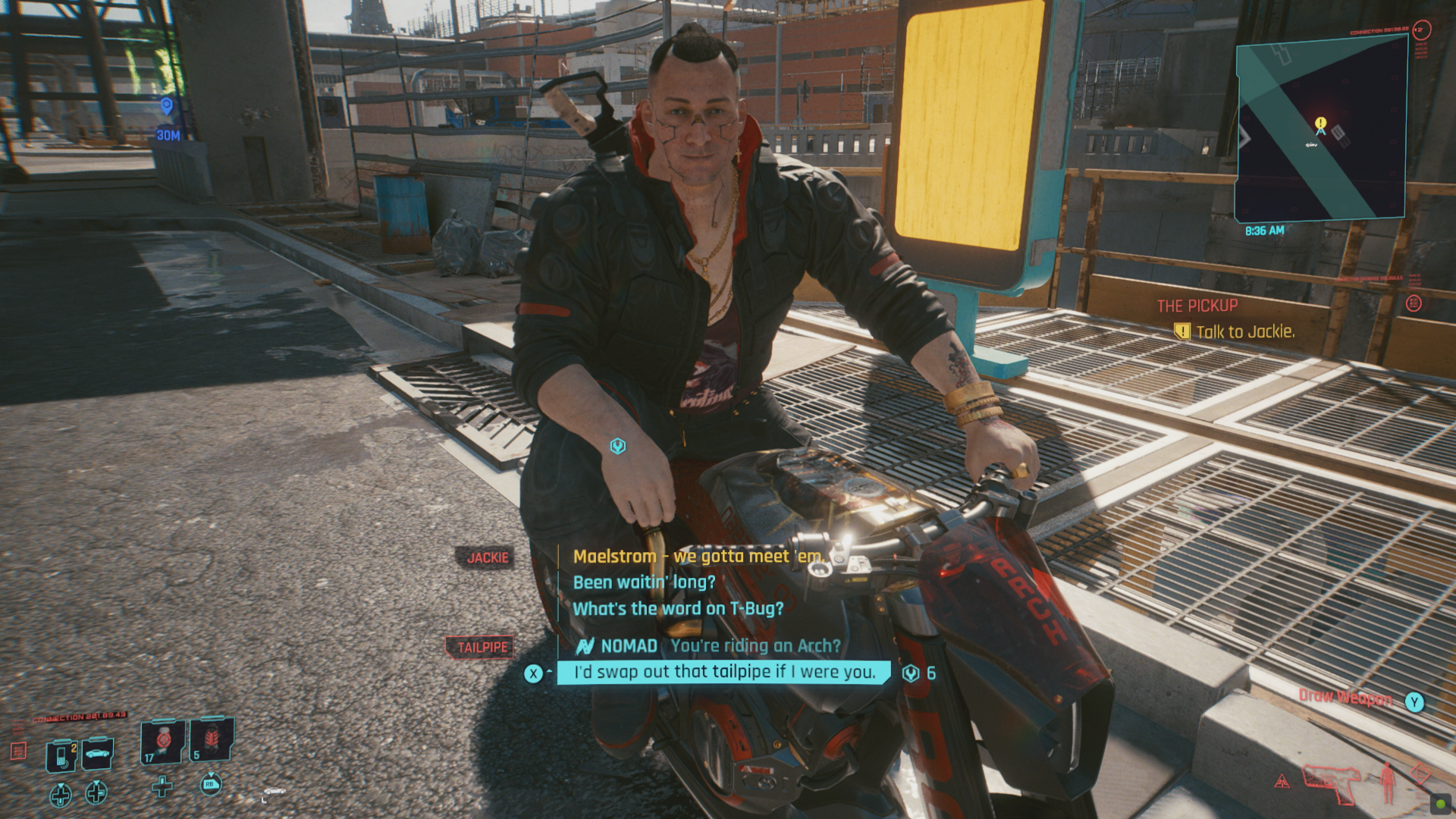
Games like Assassin’s Creed or Cyberpunk 2077 sit somewhere in between. They give me freedom to explore the world and do side quests, but the main storyline still follows a fixed structure. This gradual, guided progression helps me build emotional attachment to the world while still feeling somewhat free. In the end, though, the most important story decisions are still limited.
When Freedom Means Losing the Story
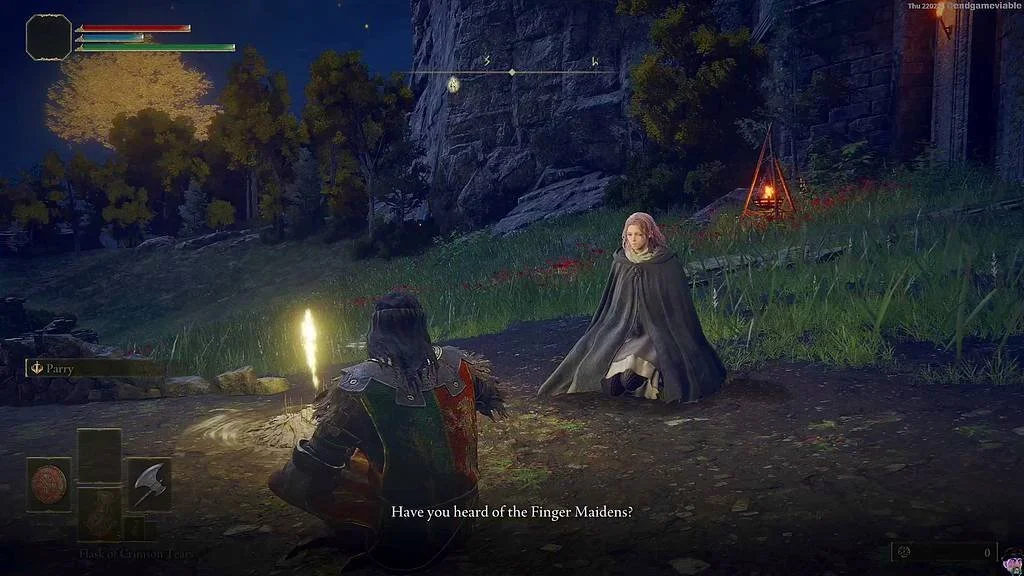
On the other side, games like Elden Ring prioritize player agency above almost everything else. The world is massive, the lore is rich, and there are countless details scattered everywhere. Players are given very little guidance—sometimes not even clear map markers—and can jump between quests without a fixed order.
While I really enjoyed playing Elden Ring, this freedom also meant I missed a lot. I completed quests without fully understanding why I was doing them, who the characters really were, or what their motivations might be. I often didn’t even know what my own goal was. As a result, I felt less connected to most characters and missed opportunities to build emotional relationships with them.
So Who’s Really in Control?
This made me realize that the problem isn’t choosing between emotion or agency. It’s about when and how control is shared. Emotional storytelling often depends on predictability and structure, while agency thrives on unpredictability. When both are pushed at the same time, they naturally compete. The real challenge is deciding who holds control at each moment—the designer or the player.
How Games Hide Control Instead of Removing It
Many games try to solve this by disguising control rather than removing it completely. Limited choices, environmental framing, or mechanics that subtly guide player behavior can all shape emotional experiences without explicitly taking agency away. Instead of telling players how to feel, the game sets up situations where emotions emerge naturally through action. When done well, player intention and narrative direction start to align.
What I’m Still Struggling With as a Designer
As a designer, I find myself constantly negotiating this balance. I’m drawn to clear emotional experiences, but I’m also cautious about over-controlling the player. What interests me most are moments where players willingly give up agency because the experience feels meaningful. Those moments suggest that agency doesn’t have to be absolute—it can be flexible.
When Is It Okay to Let the Game Decide for You?
I don’t think there is a single correct solution to this problem. Different games, audiences, and intentions require different balances between emotion and control. What matters most is being aware of when agency is reduced and why. The question I keep coming back to isn’t how to preserve agency at all costs, but when players are willing to let go of it.